Choose an experience, not a category label
“Unusual accommodation” covers very different nights. A former railway carriage might provide a comfortable base near a village. A forest room might make you notice birdsong before breakfast. A cold room might be a deliberately unfamiliar sleeping experience with specialist instructions. Start with what you want to feel or do, then assess the property rather than assuming the label guarantees a particular standard.
Ask whether the accommodation is the destination or simply a place to rest between activities. If you plan to arrive late and leave at dawn, a complicated remote check-in may add effort without adding much story. If the room itself is the experience, arrive with daylight to understand the layout, enjoy the surroundings and learn the practical routines before darkness.
Real examples can help you identify a concept: Treehotel near Harads is associated with distinctive forest rooms; ICEHOTEL in Jukkasjärvi is known for ice-based accommodation; The Lighthouse in the Netherlands illustrates the appeal of a landmark setting. Treat named properties as research leads, not endorsements or claims about current availability, room features or suitability.
Read beyond the hero photograph
A striking image rarely explains the bathroom, the steps or what happens when it rains. Look for a floor plan, recent practical descriptions and photographs of the route from parking or public transport. Verify whether the room has its own toilet, whether washing facilities are shared, and how far you need to walk outside at night. “Private” may refer to the sleeping space rather than every facility.
Check heating, ventilation, bedding and seasonal operating conditions. Large windows can create memorable views but may also affect privacy and temperature. A raised structure may involve a staircase or bridge; a converted historic building may have narrow doors and uneven floors. Ask specific accessibility questions using your own needs, rather than relying on broad labels such as “easy access.”
A compact accommodation profile
- Arrival: exact location, last check-in, transfer arrangements and after-dark access.
- Comfort: bed type, heating, washroom location and realistic noise expectations.
- Support: staff availability, emergency contact and mobile coverage.
- Conditions: cancellation rules, deposits and any age or occupancy restrictions.
Ask for the total cost before booking, including cleaning, meals, transfers and compulsory extras. A remote bargain can become expensive if every movement requires a private transfer. Conversely, a slightly less dramatic property near public transport may give you a calmer and more rewarding stay.
Understand the special conditions
Some concepts need more preparation than an ordinary hotel. A cold-room stay requires following the provider’s clothing, bedding and health guidance; it should not be improvised from a social-media clip. A floating stay needs clear boarding instructions and an understanding of movement, water-edge barriers and emergency arrangements. A remote cabin requires realistic plans for food, weather and help if something fails.
Do not use candles, portable heaters or cooking equipment unless expressly provided and authorised for that purpose. Follow all fire and ventilation instructions. Ask about drinking water, waste disposal and electricity limits, particularly at off-grid properties. “Off-grid” is a description of infrastructure, not evidence that the stay is automatically low-impact or appropriate for every traveller.
If you have a health condition or need reliable power for medical equipment, discuss requirements directly before paying and obtain appropriate clinical advice where needed. A property’s unusual design should never pressure you to accept conditions that undermine your comfort or safety. Choosing a conventional room nearby is a valid way to enjoy the setting.
Let the place shape a quieter evening
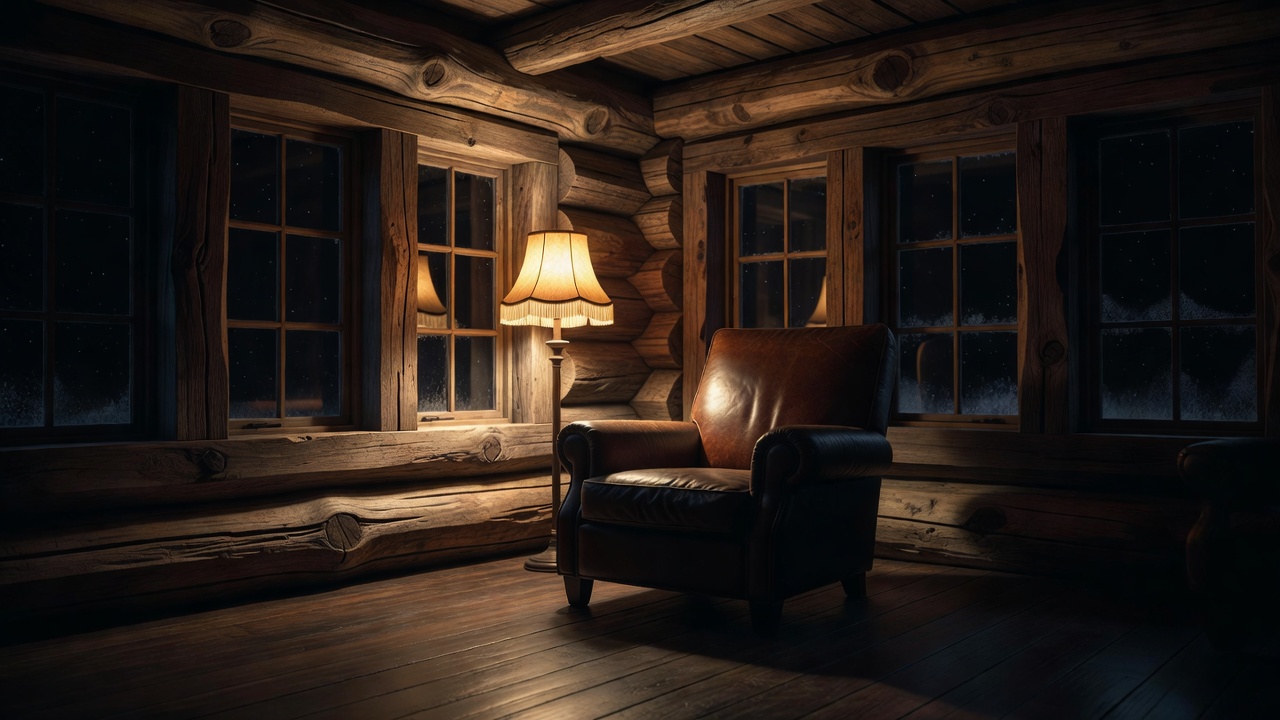
The strongest stay stories are often small: reading while rain moves across a roof, cooking a simple meal with a view, or listening to a building settle after sunset. Give yourself one unstructured evening rather than packing the stay with activities that keep you away from it. Check whether a guided visit or public-area tour would satisfy your curiosity without needing to sleep there.
Respect neighbours and the site’s original purpose. A lighthouse setting does not imply permission to enter operational areas; a heritage conversion does not permit climbing structures or moving historic objects. Keep drones grounded unless all relevant permissions and aviation rules are satisfied. Ask before sharing exact locations of sensitive or privately accessed sites.
Environmental claims deserve the same scrutiny as comfort claims. Look for concrete information about energy, water, sewage and local management rather than a blanket “eco” label. Stay longer when practical, use existing access routes and leave the room as a guest rather than a production crew. The memorable part should be how you inhabited the place, not what you disturbed to photograph it.