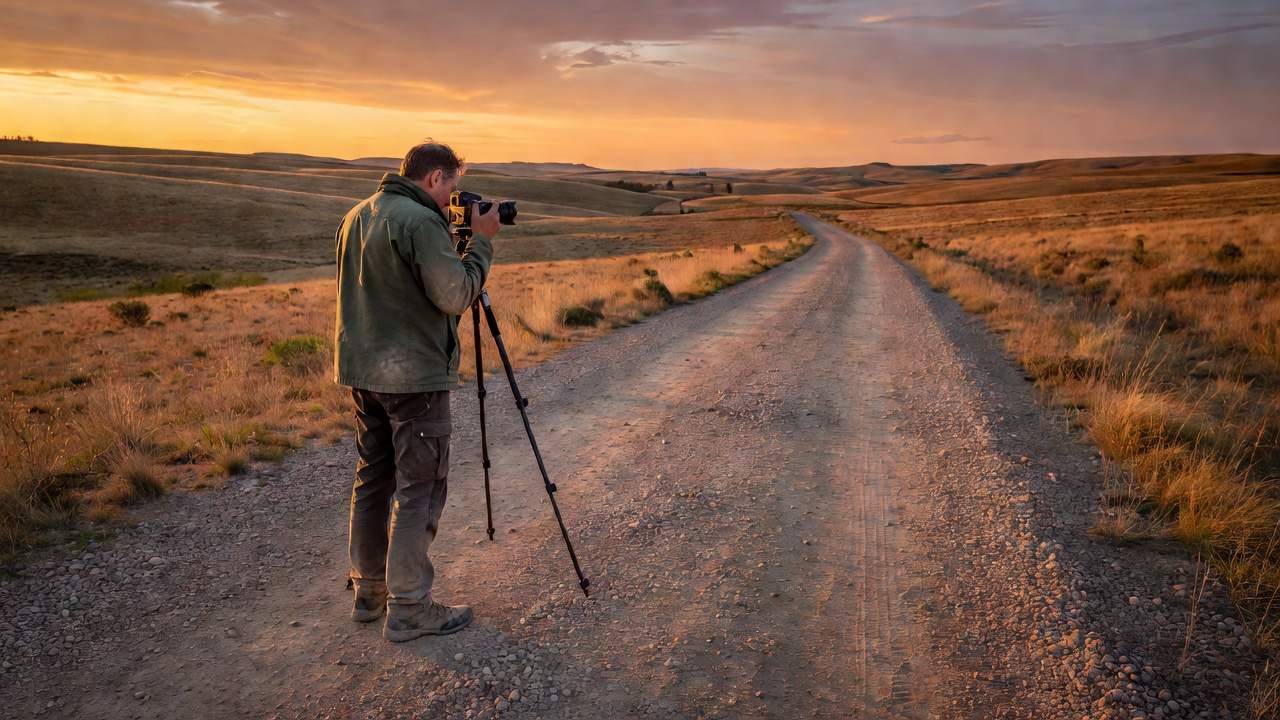
Define what success looks like
A useful travel challenge changes how you pay attention. It might ask you to notice the same view in different light, follow a modest route without rushing, or tell a place’s story using details rather than landmarks. It should not require trespass, cliff-edge posing, wildlife disturbance or copying a feat whose conditions you cannot verify. Popularity is evidence of attention, not evidence of permission or safety.
Write down an outcome you can control. “Make a small photographic sequence from public paths” is more useful than “capture a perfect sunrise,” because you cannot control clouds. “Return by the agreed time” is more useful than “reach the summit at all costs.” Make an early turnaround a successful outcome when conditions exceed your plan.
Use the brief to match the day, not to overrule it. Your fitness, experience, equipment, companions and the local forecast all matter. A simple urban waterside walk can be a better photography challenge than a remote ridge. The story comes from the observations you make, not the difficulty you perform for an audience.
Give the camera a smaller job
Build a sequence rather than chase an icon
Choose an established, permitted path with safe stopping places. Make one wide image, one middle-distance image and one close detail that together describe the conditions. If light changes during the visit, repeat a composition without leaving the safe route.
You do not need to return in darkness or stay out through worsening weather to finish the brief. A grey afternoon can supply changes in texture, reflections and movement. Keep tripods out of circulation routes, follow site photography rules and ask permission where commercial work, interiors or organised shoots require it.
Frame from where access is allowed. Moving behind a barrier for a cleaner composition transfers the cost of your image to staff, rescue services or a damaged landscape. Avoid playback and camera adjustments while walking across uneven ground. Stop somewhere stable first, and keep awareness of cyclists, vehicles, livestock and other visitors.
When sharing the result, distinguish observation from factual claims. Do not describe a place as deserted when you merely framed out its visitors, or imply that a restricted viewpoint is publicly accessible. If an image includes identifiable people, consider consent, context and local law. Sensitive wildlife locations may be better left without precise location tags.
Make the turnaround part of the route
Finish with enough in reserve
Select a route comfortably within your current ability. Confirm legal access, check local advice, identify exit options and decide when you will turn around. Tell a trusted person your plan and what to do if you do not check in as arranged.
Carry navigation suitable for the area, not just a screenshot of someone else’s track. A charged phone is useful but may fail through damage, cold or lack of signal. Clothing, food, water, lighting and emergency supplies should reflect the route and conditions. If you cannot judge what is appropriate, choose a simpler setting or seek a qualified local guide.
Check warnings from the relevant authority. In the Lake District, mountain conditions can differ from the town forecast. In the Dolomites, an attractive path photograph may conceal steep exposure or specialist route sections. In Iceland, closures and weather warnings can override an apparently straightforward itinerary. None of these destinations is a single difficulty level.
Leave scrambling, technical climbing, unassessed water crossings and unfamiliar winter terrain out of a casual challenge. Do not enter water because a social trend calls it refreshing or restorative. Cold, currents, tides and access restrictions need their own informed assessment. There is no creative brief that makes unknown conditions safe.
Tell the whole story afterwards
Record the choices as well as the result. What did you check? Which path did you avoid? What changed when the weather moved in? A story that includes uncertainty gives other travellers a more honest reference than a triumphant image without context. Do not publish a route as beginner-friendly merely because you completed it once.
The Leave No Trace principles provide a useful starting framework for reducing outdoor impacts, but local rules take priority and specific habitats may need additional care. Stay on appropriate surfaces, keep wildlife wild, respect seasonal closures and take litter home. Avoid collecting natural objects or rearranging a scene for a photograph.
A satisfying challenge can finish with a handful of observations, a safe return and no impressive statistic at all. That is not a lesser adventure. It is a repeatable way to make travel more attentive without making someone else absorb the consequences.