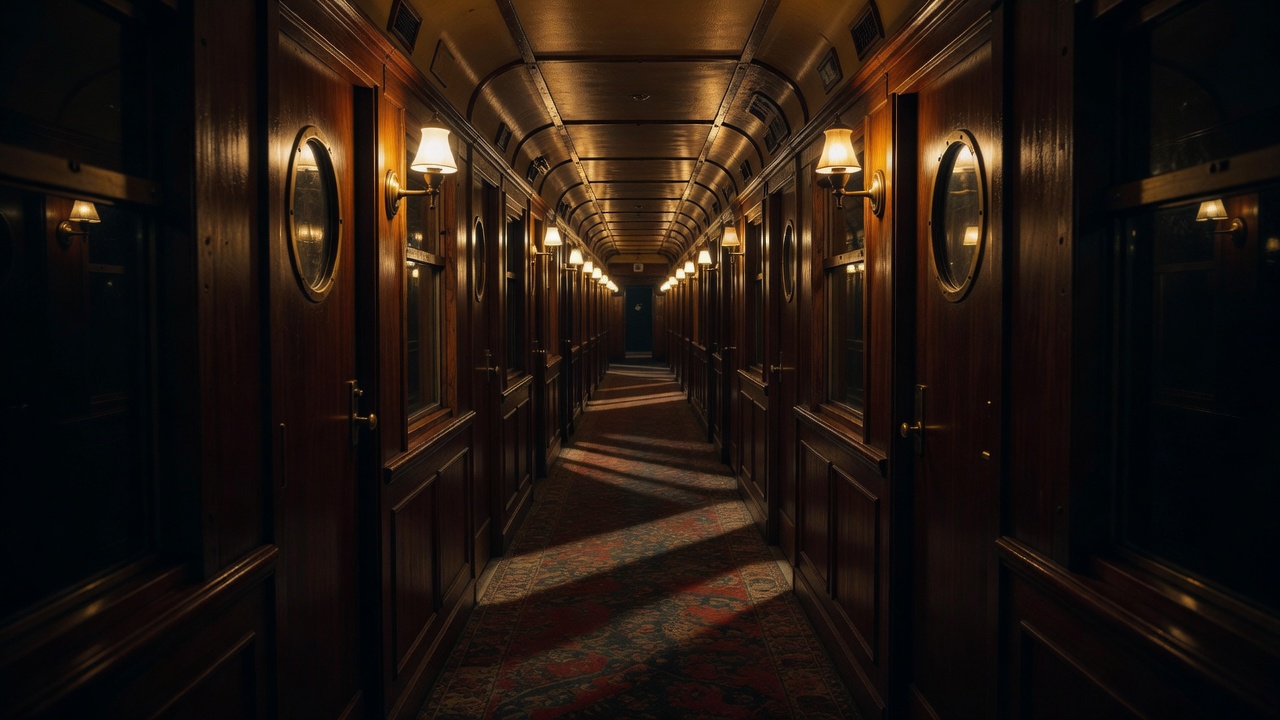
Choose the moment you want to remember
An overnight train offers two distinct experiences: the enclosed rhythm of travelling after dark and the possibility of a remarkable arrival. They do not always happen together. A route celebrated for mountain scenery may cross its most dramatic section while you are asleep. Start by asking whether you want a sociable evening, a useful night in transit, a private retreat or a dawn view. That answer should shape your booking more than the route’s popularity.
The Caledonian Sleeper connects London with Scottish destinations, including Highland routes; ÖBB Nightjet links cities across parts of Europe; Norway’s Nordland Line connects Trondheim and Bodø. These are different railway experiences, not interchangeable products. Check the current operator timetable, the exact departure, the accommodation offered and any engineering changes. A route name alone does not confirm that a particular train includes sleeping berths.
Season matters to the story. Northern summer light can reveal scenery that disappears on a winter departure, while winter darkness can make the compartment itself feel like the destination. Compare sunrise and sunset with the scheduled journey, but accept that delays, clouds and window reflections can change the scene.
Book for the sleep you actually need
A reclining seat, a shared couchette and a private sleeper are not simply different price labels. They change your privacy, comfort and expectations for the following day. Read the description carefully: occupancy rules, bedding, washroom arrangements and whether a booking reserves an entire compartment all deserve attention. Photographs can show a premium category that is not the one in your basket.
If you are travelling alone, investigate shared-compartment policies and the options available on your chosen service. If you use mobility equipment, ask about the specific train, boarding arrangements, accessible facilities and any assistance booking requirements. Do not assume that a station’s step-free entrance guarantees an accessible route to every berth.
A simple journey framework
- Before boarding: arrive with food, water, charged devices and enough time to find the correct platform.
- After departure: organise your berth and keep tickets, medication and essentials within reach.
- On arrival: plan breakfast and a bag drop rather than an immediate demanding excursion.
Check luggage limits, bicycle reservations and pet rules directly with the operator. A compact bag you can manage without blocking the corridor makes a real difference. Keep valuables secure and follow staff instructions about doors, boarding and movement through the train.
Give the arrival some breathing room
The strongest itinerary is rarely the one with the tightest connection. Allow time for an unfamiliar station, a delayed arrival, breakfast and the simple possibility that you slept poorly. If your onward transport is separately ticketed, check what happens when the sleeper arrives late. Passenger protections and rebooking options depend on the journey and ticket arrangements; do not assume separate bookings behave like one protected connection.
For a Highland arrival, consider spending your first day near the railway rather than racing straight toward a remote trailhead. For a European city arrival, check whether your accommodation can hold luggage before check-in. On the Nordland Line, think about how daylight, the season and your onward route affect the experience instead of treating arrival at Bodø as an automatic connection to an island adventure.
A modest contingency budget is useful for food, storage or an additional night. Travel insurance may help with some disruptions, but its exclusions and evidence requirements matter. Read the policy before departure rather than after something has gone wrong.
Keep the carriage a shared place
Use headphones, lower your voice and avoid turning the corridor into a photo set. Ask before photographing other passengers or staff. Keep flash and bright screens out of sleeping spaces, and take your own rubbish with you. The quietest details often make the best story: a station announcement through a half-open door, a breakfast tray, a hillside appearing between curtains.
Rail can be a lower-impact choice than flying on many routes, but the comparison depends on distance, energy sources, occupancy and the alternative journey. Avoid presenting every sleeper as impact-free. The more useful question is whether it lets you travel less hurriedly, combine destinations sensibly and spend longer in the places you reach.